Winter Wonder
Little people love getting a better sense of winter
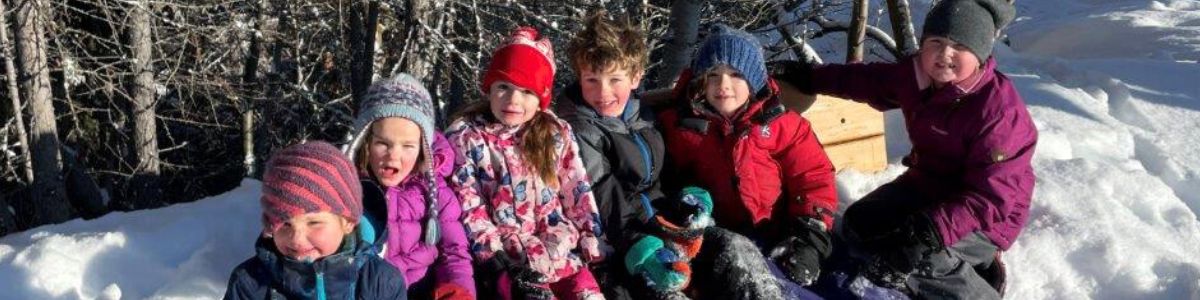
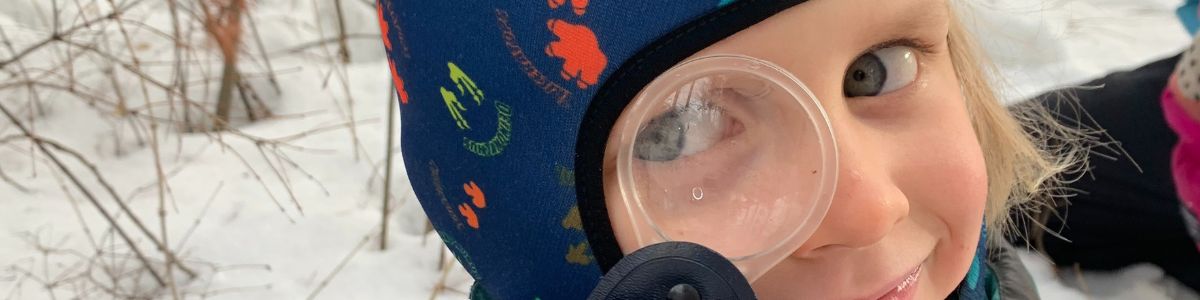
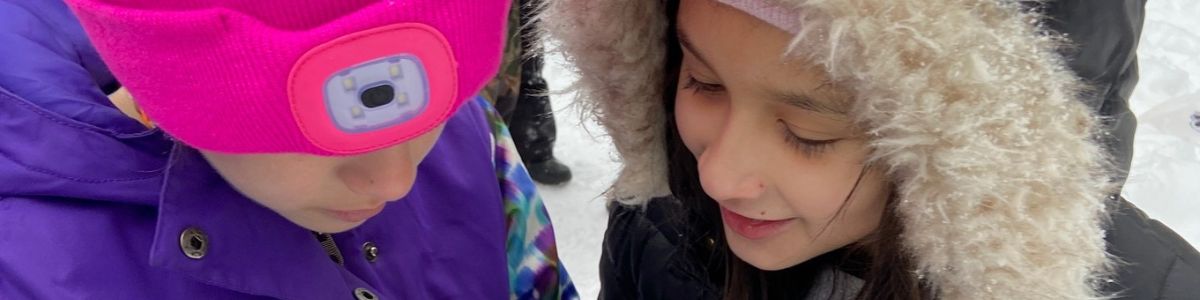
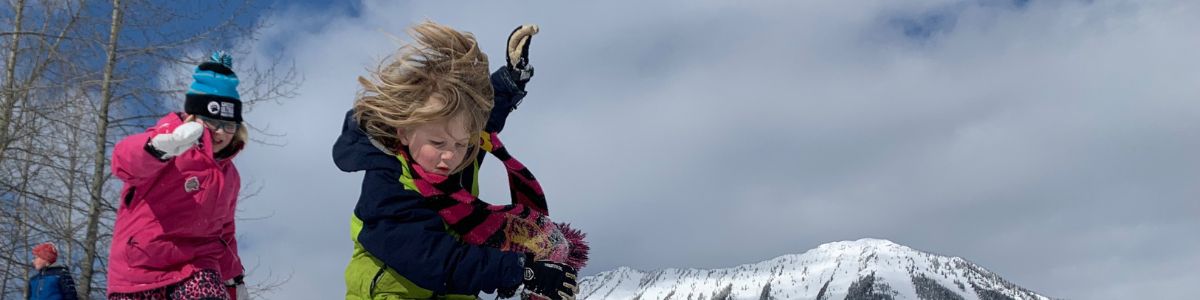
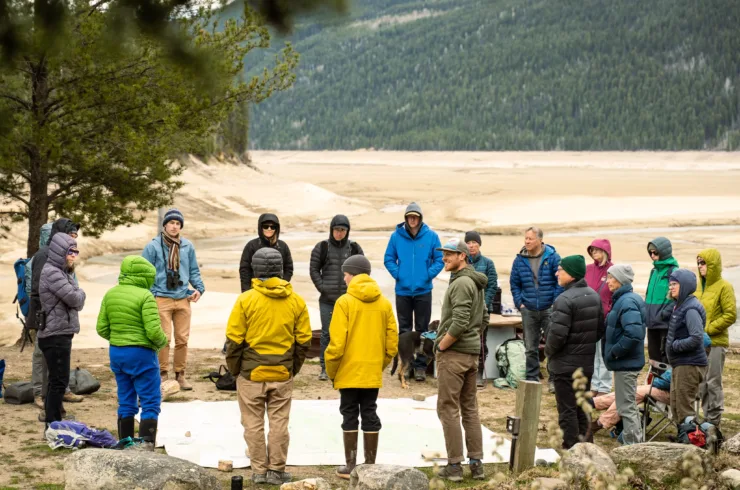
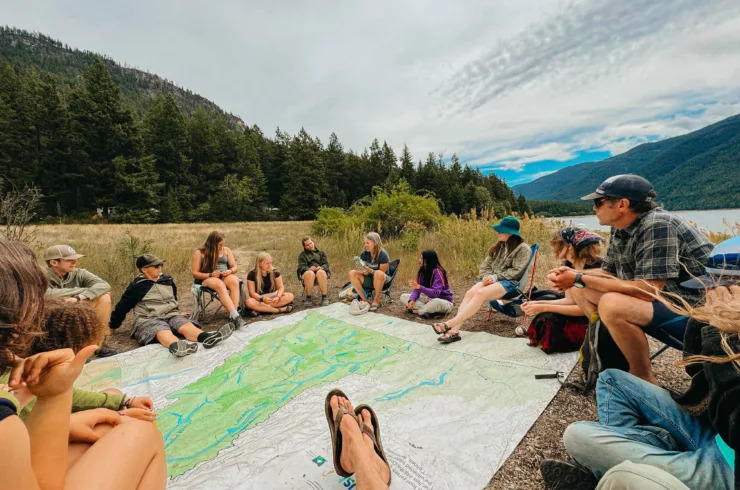
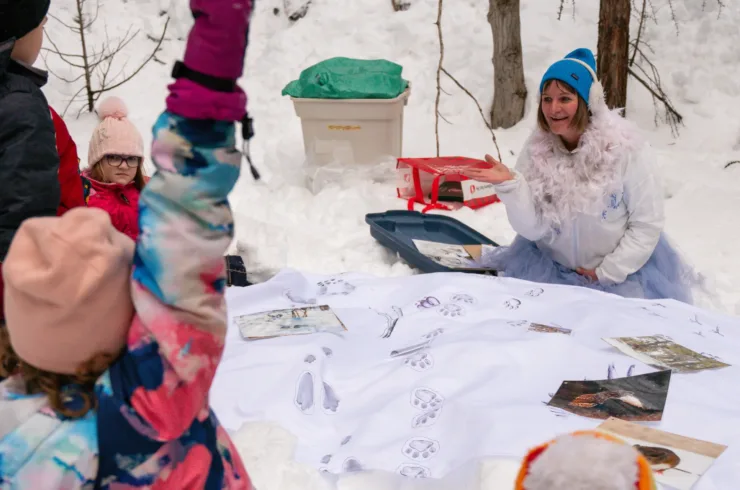
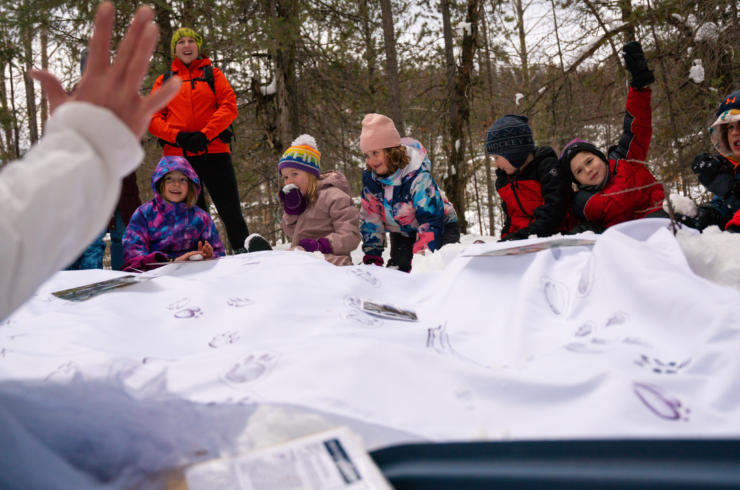
What a great way to deepen the love primary students have for the outdoors. Winter Wonder are outdoor, winter ecology field trips — real experiences — that take primary classes outside to learn something new. (The students don’t venture very far — it’s amazing what can be found just a short walk from the school!)
Kindergarten – Grade 1 – Grade 2 – Grade 3
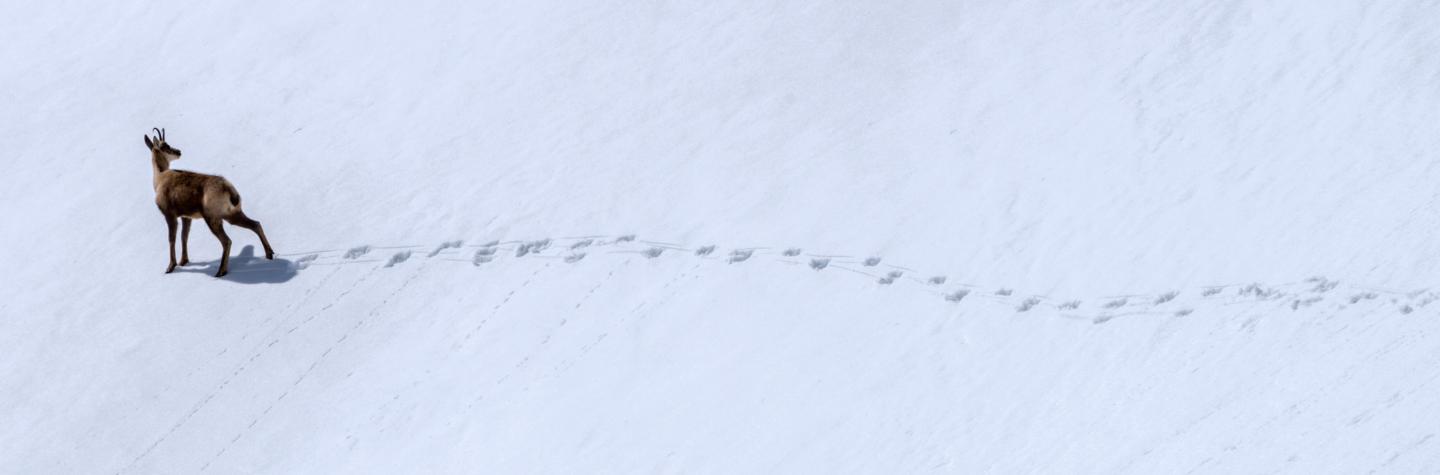
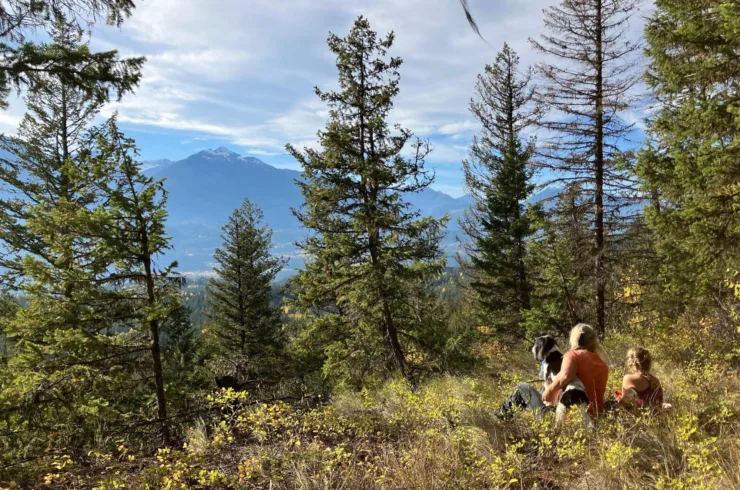
Students discover the awe of winter, how plants and animals adapt to it, and why it is so important for our local ecosystems in the Columbia Basin.
Winter Wonder is part of Wildsight’s Education in the Wild programs. The program is tailored to meet the needs of each grade level, from Kindergarten to Grade 3, and to meet B.C. B.C. Ministry of Education Science curriculum learning outcomes for each grade level.
Learning resources and registrations
Teachers’ resources ALL GRADES (PDF files):
- 10 Things You Didn’t Know About Snow
- Suggested pre- and post-Winter Wonder field trip activities
- Wildsight waiver and photo release form
Kindergarten program: A sense of winter
Students use five senses to observe winter and living things. They share their findings with others. They learn to describe features of two different plants – noting similarities and differences. Students compare how different animals survive winter (feathers, fur, colour and so on.)
Outcome: Students demonstrate the ability to observe their surroundings and describe features of their immediate environment.
Kindergarten Teachers!
Request a Winter Wonder field trip.
Grade 1 program: Awakening to the change that winter brings
Students classify living organisms according to winter survival strategies. They describe seasonal activities that go with seasonal changes, how people, plants and animals prepare for winter. They classify non-living things such as ice crystals and snow, into groups according to shape. They describe the basic needs of plants and animals and how they are met in the winter.
Outcome: Students describe the effects of winter weather on plants and animals.
Grade 1 Teachers!
Request a Winter Wonder field trip.
Grade 2 program: Adapting to the cold
Students use the five senses to interpret their observations. They classify common animals that are active in winter in terms of appearance, behavior and life cycle. They describe how winter changes affect animals. They describe the physical properties of snow. They infer the outcome of animals and plants not adapted to winter. They describe how animals helped First Nations people survive winters.
Outcome: Students describe how animals, plants and people adapt to the cold.
Grade 2 Teachers!
Request a Winter Wonder field trip.
Grade 3 program: Life cycles and plants in winter
Students investigate the winter survival strategies of living things. They compare conifer and deciduous trees according to similarities and differences in appearance and life cycle. They describe ways in which plants are important to wildlife in winter and they describe how plants are harvested and used to prepare for and survive winter.
Outcome: Students learn how the life cycles of organisms relate to winter and how plants help animals and humans survive winter.
Grade 3 Teachers!
Request a Winter Wonder field trip.
| Attachment | Size |
|---|---|
| 10_things_about_snow.pdf | 45.63 KB |
| pre_post_winter_activities.pdf | 131.43 KB |
| CWOD_WWPoster_Nov2011_SCREEN.pdf | 1.73 MB |