Invasive plants a concern for Wildsight
By Darryl Crane
Valley Echo
September 23, 2009
Members of Wildsight are trying to control the spread of invasive plants which they see as a possible threat to the diverse wetland ecosystem of the Columbia Valley Basin.
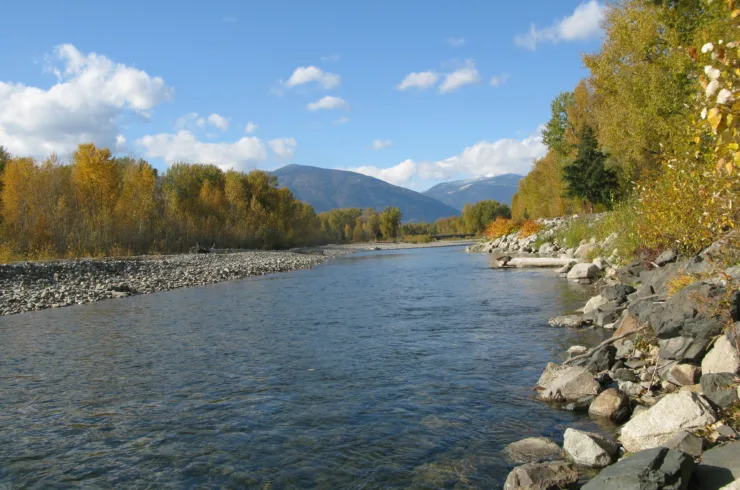
The Columbia Wetlands Invasive Plant Species Project (SWIPSP) covers the 180 km stretch of Columbia River headwaters in the Rocky Mountain Trench.
The CWIPSP is currently collecting data for invasive plants at all major access points into the wetlands. The project focuses on early detection, prevention, research and management strategies. They hope to raise awareness of the threats invasive plants can pose to the wetland ecosystem.
Rachel Darvill, program co-ordinator for Wildsight, said, "The biggest threat to the wetlands is the introduction of invasive plants...along with climate change."
So far the group has not located any invasive aquatic plant species said Darvill. She added, "However, the numerous amount of infestations that have been left untreated, such as those found on private land, continue to grow."
The group has been working with CP Rail to ensure the areas around train tracks do not have an outbreak of any species of concern.
Darvill said, "The terrestrial weeds are most common along CP railway tracks. Wildsight has been speaking with CP Rail and they plan to implement a more significant invasive plant program for the Columbia Valley region next year. They realize the severity of the problem here and are ready to ramp up efforts to control the weeds."
According to Wildsight the wetlands are especially vulnerable to this type of invasion. Acting as landscape sinks, they accumulate debris, sediments, water, and nutrients, all of which facilitate invasions or accelerate the growth of opportunistic plant species.
To raise awareness about invasive plants the group released a brochure that highlights the wetlands and what to watch out for.
For more information go to www.wildsight.ca/invasivespecies.