Private power greed or people power green?


Kootenay residents need to send a clear message at upcoming rally in Invermere

Invermere, B.C. — It’s the first project of its type to get this far in the Kootenays, and it’s got residents concerned. The controversial Glacier Howser River Diversion Proposal was rejected by the Province last year, but its proponent, Axor Power Inc. (“Purcell Green Power Inc.”) reapplied this year and has made it to the second round, an Environmental Assessment (EA).

“This is the first private power application to enter the EA process in the Kootenays,” said Trevor Hamre, president of the Golden chapter of the Council of Canadians. “It also happens to be one of the least “green” hydro projects proposed in the Columbia Basin—and there are 25 of them in the East Kootenay alone. The time is now for local residents to send a clear message to the Province: Our rivers and wildlife habitats are not for sale.”

Hamre invites residents to attend an open house in Invermere next Thursday, June 25, at 7 pm.

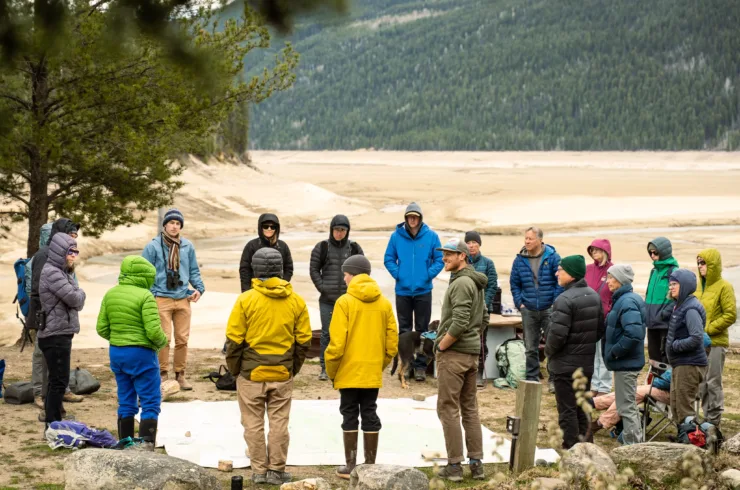
But he hopes to take it a step further: “We’re having a Wild Rivers Rally outside the Invermere Community Hall at 6 o’clock on June 25,” Hamre said. “This is the one chance Kootenay residents will have to comment on this ‘ruin-of-the-river’ diversion project.”

The open house meeting will be hosted by Axor and the BC Environmental Assessment Office. Their purpose is to get public input on Axor’s Glacier/Howser River Diversion Proposal and trans-Purcell transmission line project.

“The meeting, and a 45-day period for written comment, are the only ways local people can have a voice in whether this project is approved or not,” said Dave Quinn, Wildsight’s Purcell program manager. “With so many private power proposals on the table in the Columbia Basin, it’s absolutely critical that Kootenay residents speak out.”

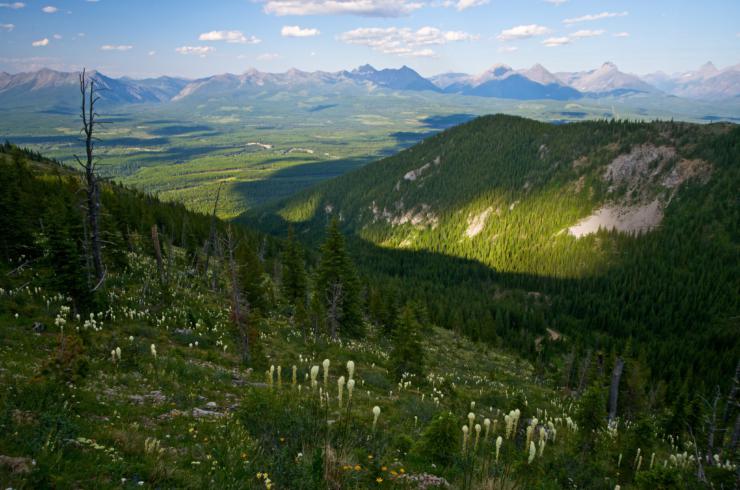
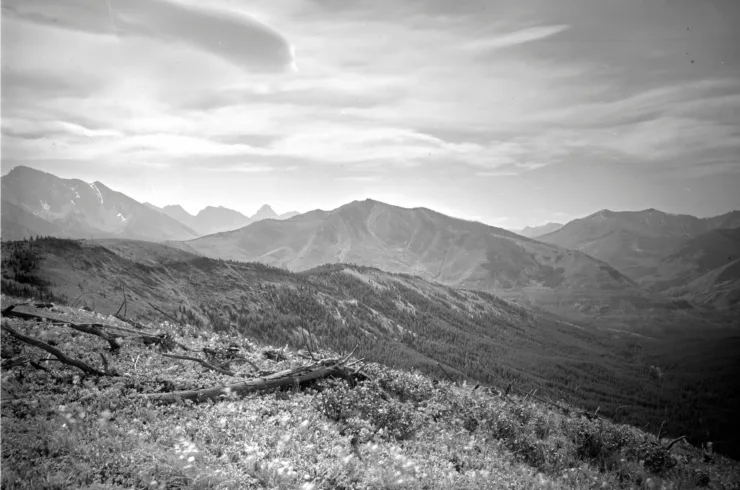
While the river diversions will happen in the West Kootenay, the transmission lines will cut across the heart of the Purcell Mountains into the East Kootenay. “They will cut through old growth forests in the upper reaches of Howser Creek and cut straight through Stockdale and Horsethief creek watersheds to get to Invermere,” Quinn said.

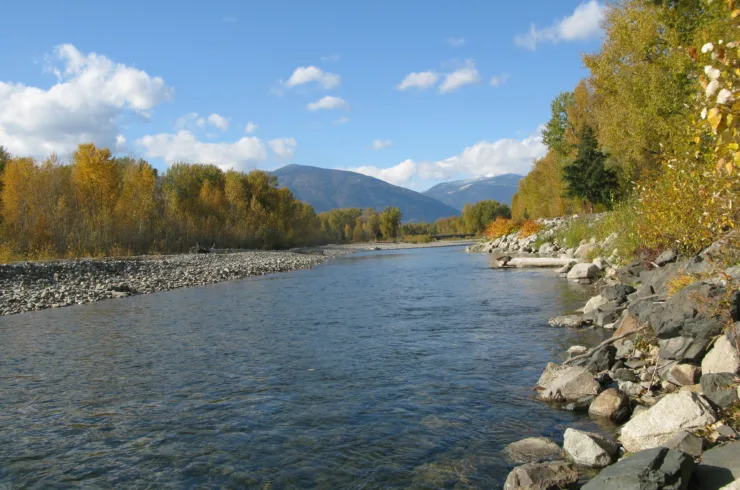
“These are your rivers and your backcountry,” Hamre said. “Whether you’re a paddler, fly fisher, naturalist, hunter, conservationist, or just an advocate of local decisions, this is a crucial meeting to attend.

“Under recent provincial legislation, Bill 30, local governments no longer have rezoning authority over Independent Power Projects, so it’s imperative that people attend this meeting to inform themselves and to make their opinions known to the Environmental Assessment Office,” Hamre said.

Quinn noted there has been confusion about “green” and “alternative” power projects in the province lately.

“Most British Columbians are supportive of alternative, truly green energy sources,” Quinn said. “But the Glacier/Howser River Diversion proposal is not green. If we focus on energy conservation, on upgrades to existing facilities, and on developing an energy plan that makes sense for British Columbians, we won’t need to allow private interests to dam and divert our wild rivers.”

According to Stats Canada, B.C. is a net exporter of electricity, averaging over 1 million megawatts per year over the past 11 years.

“We can address future energy demands through conservation, upgrades of existing infrastructure and increased efficiency in our use of electricity,” Quinn said. “For example, right nearby the Glacier/Howser proposal is the Duncan Dam, a large structure with no generating capacity at this time. There are also hundreds of kilometres of existing transmission lines that could be upgraded to decrease line loss. True ‘run-of-river projects’ that are close to an energy demand and don’t require hundreds of kilometres of new transmission line might be acceptable, but with B.C.’s current energy plan there is little opportunity for residents to decide which proposals are acceptable and which are not. The Glacier/Howser diversion is not ‘run-of-river’, it’s ‘ruin-of-the-river’ — and it’s not an acceptable energy alternative.”

Hamre said the rally is a real opportunity.

“Kootenay residents need to show the Province how we feel,” Hamre said. “Let’s show up to rally when we can, and let’s comment while we can. This project could destroy a lot of irreplaceable habitat, for fish, for grizzlies, and for other wildlife. It’s not necessary and it’s not wanted.”

—30—

About Wildsight


Wildsight works locally, regionally and globally to protect biodiversity and encourage sustainable communities in Canada's Columbia and Southern Rocky Mountain region. This area is internationally recognized as a keystone to conservation in western North America. For more information, please visit www.wildsight.ca.

Contact:

Trevor Hamre, Council of Canadians Golden chapter president
250-344-4668 • 
thamre@hotmail.com

Contact:
Dave Quinn, Purcell program manager, Wildsight
250-427-5666 home office • 250-427-8878 cell • daveq@wildsight.ca
 

AttachmentSize
WS_CoC_PR_GlacierHowser_V2.pdf82.78 KB